
800-U-SHIP-IT (874-4748) Los Angeles, CA · Serving 150+ Countries FMC-Licensed NVOCC #001803
0%

Choosing the top China NVOCC Shipping Services requires more than comparing advertised freight rates. A reliable provider coordinates cargo space, documentation, consolidation, and destination delivery with consistent control. It may manage a shipment from Shenzhen to Rotterdam, tracking cartons as they move from a factory dock to a bonded warehouse. That practical visibility matters.

Experience is visible in the details. Strong NVOCC operators explain sailing schedules, container options, cut-off times, and possible port delays before booking. They also provide clear bills of lading, accurate cargo descriptions, and responsive customer support. These practices reduce avoidable confusion for exporters, importers, and freight partners. Verified licensing, transparent terms, and established carrier relationships strengthen their authority. So does a documented record of handling seasonal capacity changes.

No ranking is permanent. Market conditions shift. A provider that performs well during normal weeks may struggle during peak season. This article therefore examines service quality through several realistic measures: route coverage, schedule reliability, documentation accuracy, communication, pricing transparency, and problem-solving ability. Customer reviews can help, but they should be checked against operational evidence. That distinction is important.

The best NVOCC Shipping Services are not always the cheapest. A low quotation may exclude origin charges, storage, customs-related handling, or destination fees. Careful comparison reveals the complete cost. It also exposes weak assumptions. Readers should question vague promises, unrealistic transit times, and unclear liability terms. Reliable shipping decisions come from evidence, not confident wording. Even experienced teams can miss details. A thoughtful review should admit that.
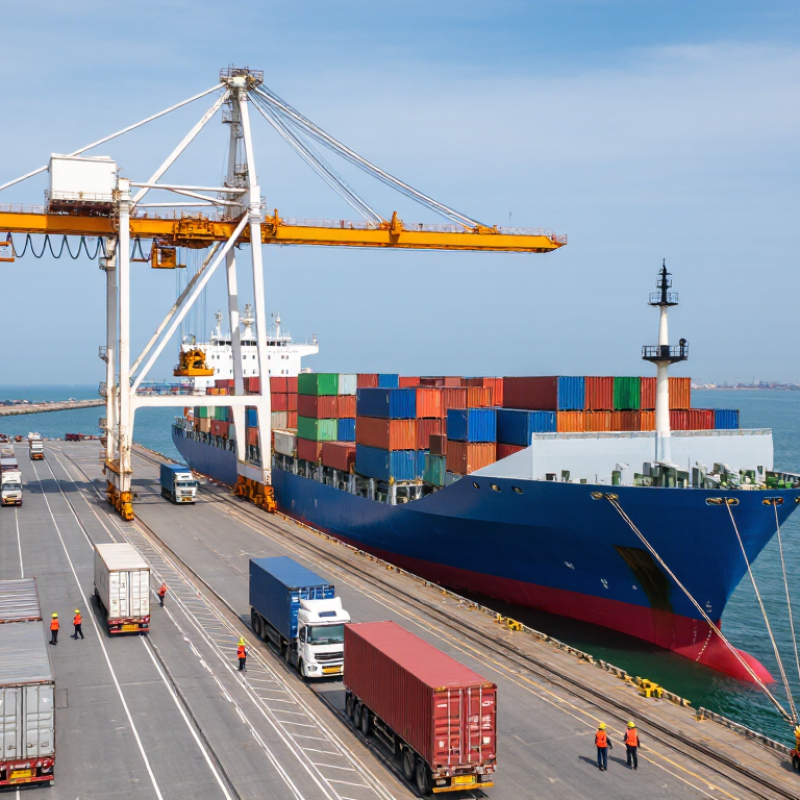
What Are the Top China NVOCC Shipping Services?

Understanding China NVOCC Shipping Services and Their Role

China NVOCC shipping services connect exporters with ocean carriers without operating their own vessels. They purchase container space, consolidate smaller shipments, and issue house bills of lading. This structure can simplify bookings from Shanghai, Ningbo, Shenzhen, or Qingdao. It also supports flexible routing and port-to-door coordination. The practical value is clear: one shipment may involve a factory, a warehouse, a trucking provider, and a destination agent. One accountable coordinator helps.

UNCTAD’s Review of Maritime Transport 2023 reported that shipping carries over 80% of global merchandise trade by volume. Its 2024 review also noted continuing disruption risks from rerouting, congestion, and geopolitical tension. Therefore, strong China NVOCC services need more than low freight rates. They should provide verified sailing schedules, transparent surcharges, container tracking, cargo consolidation, and document checks. A reliable operator should explain cut-off times clearly. Small errors can delay a full container.

The World Bank’s Logistics Performance Index 2023 placed China among the stronger logistics performers, while also showing that customs and infrastructure remain separate performance areas. This matters for NVOCC selection. Experienced teams should coordinate export documentation, warehouse receiving, inland transport, and destination delivery with licensed partners. Shipment records should show weights, milestones, and exceptions. Digital visibility is useful, but it is not perfect. Manual checks still catch mismatched carton counts and incorrect consignee details. Service quality should be judged through measurable delivery performance, claims handling, and communication during disruptions, not promises alone.

Key Features of Leading China NVOCC Providers

What Are the Top China NVOCC Shipping Services?

Leading China NVOCC providers combine cargo consolidation, route planning, documentation, and shipment visibility. They do not operate vessels. Instead, they purchase carrier space and issue house bills for exporters. UNCTAD’s Review of Maritime Transport 2023 states that ships carry over 80% of global merchandise trade by volume. This scale makes reliable coordination essential, especially for small shipments leaving Shenzhen, Ningbo, or Qingdao.

Strong providers offer weekly consolidation schedules, clear cut-off times, and alternative ports during congestion. A useful service should show container milestones, from warehouse receipt to vessel departure. It should also provide accurate booking confirmations and fast document corrections.

The World Bank’s Logistics Performance Index 2023 evaluates customs, infrastructure, international shipments, logistics competence, tracking, and timeliness. These areas are practical tests for NVOCC performance, not just marketing claims.

Pricing transparency matters. Customers should receive separate charges for origin handling, documentation, ocean freight, and destination services. Some providers now use digital portals for instant quotations and exception alerts. That sounds efficient. In practice, data can still lag behind the physical cargo. I would verify updates against terminal records when timing is critical.

The 2024 UNCTAD Review also highlights continuing exposure to port disruption and schedule uncertainty. Therefore, experienced coordinators should offer rerouting options, realistic transit windows, and written escalation procedures. Perfect visibility is rare. Honest communication is more valuable.

How China NVOCC Services Manage Routes, Cargo, and Documentation

What Are the Top China NVOCC Shipping Services?

China NVOCC services coordinate routes, cargo space, and shipping documents without operating vessels. Their value appears in small operational choices. For example, an operator may match a Shenzhen shipment with a feeder connection and a mainline sailing.

UNCTAD’s Review of Maritime Transport 2024 reported approximately 858 million TEUs moved through container ports in 2023. That scale makes disciplined coordination essential.

Route and Cargo Management

Route management includes port selection, transshipment planning, sailing frequency, and contingency space. Operators monitor blank sailings, congestion, equipment shortages, and local cut-off times. No forecast is perfect. A practical team therefore keeps an alternative port or sailing ready.

Cargo control begins with accurate carton counts, dimensions, weights, commodity descriptions, and loading photos. A copied carton count can create expensive corrections later. Consolidated cargo also needs careful separation and labeling inside the warehouse.

Documentation and Logistics Visibility

Documentation links every handoff. Staff commonly check commercial invoices, packing lists, booking confirmations, bills of lading, and verified gross mass records. They also compare document details before customs submission.

The World Bank’s 2023 Logistics Performance Index collected feedback from 4,090 logistics professionals across 139 economies. Its framework highlights customs, infrastructure, tracking, and timeliness as core logistics capabilities.

These measures explain why document visibility matters as much as freight rates. In practice, one missing field can delay a container, even when the vessel is on schedule.

Comparing China NVOCC Shipping Services by Cost and Reliability

What Are the Top China NVOCC Shipping Services?

Comparing China NVOCC shipping services requires more than checking the lowest ocean freight quote. A reliable NVOCC combines carrier space, container coordination, export documentation, and shipment tracking. In practice, cost depends on route, cargo volume, sailing frequency, and seasonal demand. A low rate may exclude terminal fees, documentation charges, or destination handling. Ask for a complete quotation.

Reliability appears in smaller details. Does the provider confirm booking space in writing? Can it explain cut-off times, transit estimates, and rollover procedures? Regular updates matter when a container waits at a busy port for several days. Experienced teams also check commercial invoices, packing lists, and container details before dispatch. Errors here can create delays and extra storage costs. Small mistakes become expensive.

Service comparisons should include response time and claims procedures. A dependable NVOCC gives one clear contact and shares milestone updates from warehouse receipt to arrival. It should also explain whether rates are fixed, adjustable, or subject to surcharges. Cheaper service is not always better. Faster replies are useful, but they do not prove operational strength. Review recent shipment records, customer references, and written service terms. I would also question impressive promises; even careful operators face weather, port congestion, and equipment shortages. No quote is perfect.

Choosing the Right China NVOCC Service for Your Shipment

Choosing the right China NVOCC service starts with your shipment’s real requirements. Consider cargo volume, loading frequency, destination port, and delivery deadlines. A service designed for weekly cartons may not suit project cargo or irregular orders. Details matter. Ask how the provider consolidates shipments, handles port transfers, and manages rollovers during busy seasons.

Experienced shippers check more than the headline freight rate. Request a complete quotation with origin charges, documentation fees, terminal costs, customs-related services, and possible surcharges. Confirm the bill of lading process and the party responsible for issuing it. The provider should explain sailing schedules, cut-off times, container availability, and cargo tracking in clear language. Reliable communication is practical evidence of professional service.

Verify the NVOCC’s operating authority, insurance arrangements, complaint process, and experience on your intended trade lane. Ask for recent performance data, such as average transit time and schedule reliability. References can help, but they are not perfect. A delayed shipment may reveal weak planning, unclear responsibilities, or poor exception handling. I have found that a responsive contact can matter more than a small price difference. Still, service claims need written confirmation. Keep agreed rates, deadlines, cargo descriptions, and handling instructions in one accessible file. This simple habit reduces disputes when conditions change.

What Are the Top China NVOCC Shipping Services? - Choosing the Right China NVOCC Service for Your Shipment

Service Type Best For Typical Cargo Profile Common China Origin Options Typical Transit Planning Range Cost Structure Key Documents Main Selection Considerations
Full Container Load (FCL) Shipments large enough to use most or all of a container General cargo, machinery, furniture, packaged goods, and consolidated factory output Shanghai Ningbo-Zhoushan Shenzhen Qingdao Xiamen Ocean transit commonly requires about 15–45 days, depending on destination, routing, and transshipment Container freight plus origin charges, documentation, terminal handling, destination charges, and optional customs or inland services Commercial invoice, packing list, shipping instructions, export declaration data, and bill of lading or sea waybill Container availability, sailing frequency, cut-off time, equipment type, routing reliability, and destination delivery capability
Less than Container Load (LCL) Consolidation Smaller shipments that do not justify a dedicated container Cartons, pallets, samples, spare parts, and regular cargo with moderate volume Shanghai Ningbo Shenzhen Guangzhou Qingdao Usually longer than direct FCL because of consolidation and deconsolidation; allow approximately 20–55 days for ocean movement and handling Chargeable weight or volume, commonly calculated using cubic meters, plus origin handling, consolidation, destination deconsolidation, and delivery charges Commercial invoice, packing list, cargo dimensions and weight, shipping instructions, and customs information Minimum charge, warehouse cut-off, cargo measurement accuracy, consolidation schedule, handling controls, and risk of split delivery
Door-to-Door NVOCC Coordination Shippers wanting one provider to coordinate ocean freight and inland transportation Commercial shipments requiring pickup in China and delivery to a warehouse, distribution center, or business address Factory pickup Port pickup Multi-origin routing Often about 20–60 days overall, including pickup, export processing, ocean transit, import procedures, and final delivery Combined origin pickup, ocean freight, destination handling, customs-related services, and final-mile transportation Invoice, packing list, transport instructions, importer details, customs power of attorney where required, and delivery information Incoterms, import responsibility, delivery address, customs readiness, cargo insurance, and transparency of accessorial charges
Multimodal Ocean–Rail Service Shipments requiring an alternative to an all-ocean route or inland access to and from China Time-sensitive industrial goods, e-commerce replenishment, and cargo moving between inland production areas and overseas markets Inland China rail terminals Coastal gateway ports European rail corridors Planning ranges vary widely by corridor; rail-linked services are generally positioned between air freight and ocean freight in speed and cost Rail or feeder leg, ocean leg where applicable, terminal handling, customs processing, and inland delivery Commercial invoice, packing list, transport document set, customs data, and any corridor-specific security or transit information Route availability, border procedures, rail capacity, cargo restrictions, handover points, schedule consistency, and contingency planning
Reefer and Temperature-Controlled Coordination Perishable, pharmaceutical, food, chemical, or temperature-sensitive cargo Products requiring a specified temperature range, ventilation setting, humidity control, or continuous monitoring Major container ports Cold-chain facilities Approved reefer depots Based on the selected ocean service, with additional time required for pre-trip inspection, plug-in handling, and controlled transfers Reefer freight, energy and monitoring charges, special handling, inspection, storage, and possible temperature-excursion services Invoice, packing list, product specifications, temperature instructions, safety data where applicable, and permits or certificates required by the destination Temperature range, power continuity, monitoring availability, alarm response, shelf life, regulatory compliance, and emergency procedures
Project and Out-of-Gauge Cargo Coordination Oversized, overweight, or complex cargo that needs special equipment and planning Industrial machinery, construction equipment, generators, steel structures, and cargo exceeding standard container dimensions Breakbulk terminals Heavy-lift facilities Major export ports Usually longer than standard container freight because of engineering review, permits, special handling, and equipment scheduling Special equipment, lifting, lashing, survey, port handling, permits, escort services, inland transport, and ocean freight Detailed cargo drawings, dimensions, weight distribution, lifting points, packing list, commercial invoice, and technical handling instructions Verified dimensions, route survey, vessel compatibility, lifting plan, securing method, port capability, insurance, and liability allocation
Export Documentation and Customs Support Shippers needing assistance with export data preparation and shipment compliance Commercial cargo requiring accurate classification, declared values, origin information, and export filing coordination All major China export gateways Factory pickup locations Can be completed before the carrier cut-off when complete and consistent documents are supplied Documentation or filing fee, inspection-related costs where applicable, amendment charges, and government or terminal fees when imposed Commercial invoice, packing list, export contract information, HS classification data, consignee details, and authorization documents where required Data accuracy, HS code responsibility, export control screening, inspection risk, amendment policy, and separation of freight from government charges
Planning note: Transit times and charges are indicative industry planning ranges rather than guaranteed quotations. Actual results depend on the origin and destination pair, service route, port congestion, vessel schedule, customs processing, cargo characteristics, seasonality, and the selected Incoterm.

FAQS

What does an NVOCC shipping provider do?

An NVOCC purchases vessel space and arranges cargo shipments. It may consolidate smaller shipments into one container. It also issues house bills and coordinates export documents. It does not operate vessels.

Which services should a China NVOCC provide?

Look for cargo consolidation, route planning, booking, documentation, and shipment tracking. Useful services include weekly schedules and clear warehouse cut-off times. The provider should explain delays and alternative ports. Details matter.

How can I compare shipping prices accurately?

Request a complete quotation before choosing a provider. It should separate origin handling, documentation, ocean freight, and destination services. Check for terminal fees and possible surcharges. A low quote may exclude important costs.

What signs show that a provider is reliable?

Reliable providers confirm booking space in writing. They explain transit estimates, cut-off times, and rollover procedures. They also send milestones from warehouse receipt to arrival. Fast replies help, but they prove little alone.

What documents should be checked before dispatch?

Review the commercial invoice, packing list, container details, and shipping instructions. Small errors can cause storage charges or shipment delays. Ask for document corrections before cargo leaves the warehouse. Small mistakes matter.

How does shipment tracking usually work?

Good tracking shows warehouse receipt, container loading, port arrival, and vessel departure. Some systems send exception alerts through online portals. Digital data can lag behind physical cargo. Verify urgent updates with terminal records.

What should happen during port congestion?

The provider should explain the delay and offer realistic alternatives. Options may include another port, a later sailing, or a revised route. Written escalation procedures are useful. Perfect visibility is rare.

How should I judge claims about fast or cheap shipping?

Question unusually impressive promises. Weather, congestion, and equipment shortages can affect careful operators. Review recent shipment records, customer references, and written service terms. No quote is perfect.

Conclusion

China NVOCC Shipping Services play an important role in international logistics by organizing sea freight without operating their own vessels. They consolidate cargo from multiple shippers, reserve space with ocean carriers, and provide coordinated solutions for exporters and importers. Leading providers typically offer flexible booking options, cargo consolidation, route planning, shipment tracking, container management, and accurate documentation. Their ability to connect major Chinese ports with overseas destinations can help businesses simplify complex transportation arrangements.

When comparing China NVOCC Shipping Services, shippers should consider total cost, transit schedules, service coverage, communication quality, and reliability rather than focusing only on the lowest quotation. Effective providers manage routes carefully, coordinate cargo handling, and reduce delays caused by incomplete or inconsistent paperwork. The right service depends on shipment volume, cargo characteristics, destination, required delivery speed, and budget. By evaluating transparency, operational experience, customer support, and contingency planning, businesses can select an NVOCC partner that supports predictable, efficient, and compliant international shipping.

Amelia

Amelia

Amelia is a professional marketing specialist with a strong understanding of product strategy, customer needs, and digital communication. As a valued member of the company, she combines market insight with practical product knowledge to create clear, useful, and engaging content for readers across......